
iot Sensors for small business Premises UK: 2026 Guide
What if you could check on your business from anywhere in the world, using nothing more than your phone? In 2026, that is not a dream reserved for large corporations. IoT sensors for small business premises UK are now genuinely affordable, surprisingly straightforward, and increasingly within reach for independent owners who simply want peace of mind. This guide explains everything in plain language — no jargon, no prior technical knowledge required.
What Are IoT Sensors, and Why Should You Care?
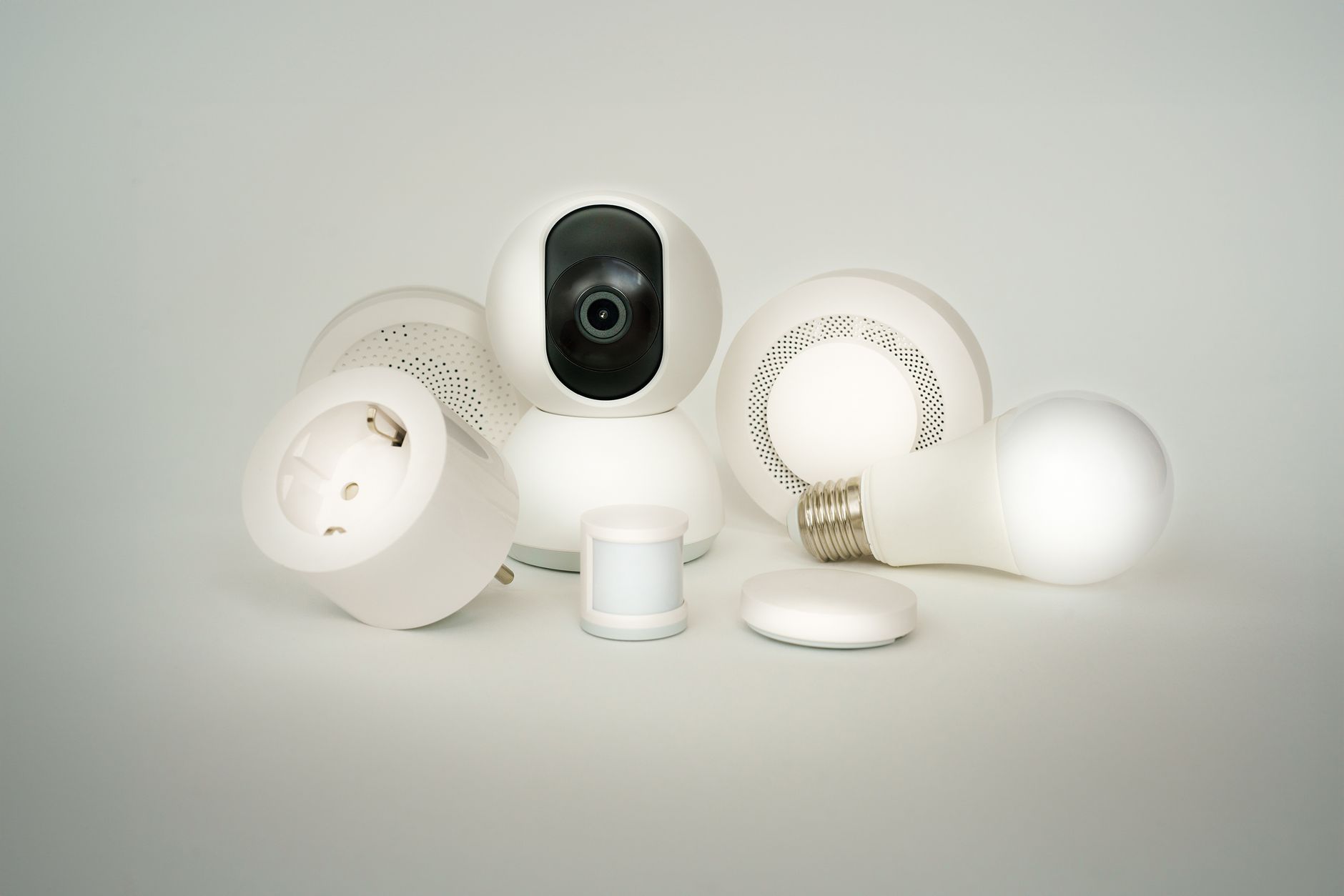
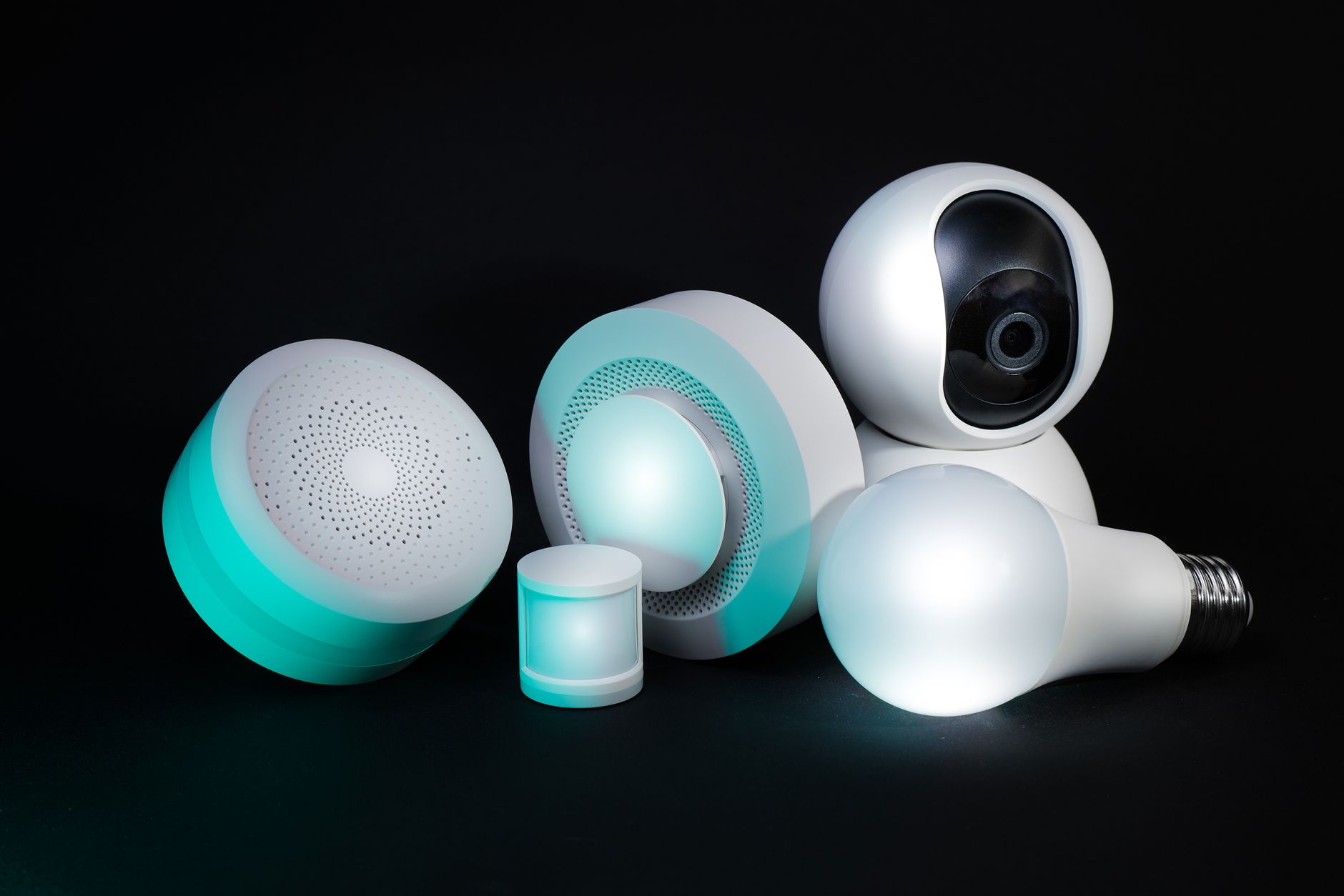
IoT stands for Internet of Things (the idea that everyday physical objects — fridges, doors, thermostats, plug sockets — can be connected to the internet and send you information). A sensor is a small device that measures something in your physical environment: temperature, humidity, movement, power consumption, water leaks, door openings, and more.
When that sensor is connected to the internet, it can send that information straight to your phone or a simple dashboard on your computer. You do not need to be on the premises. You do not need an IT department. You just need a sensor, a wi-fi connection, and an app.
Think of it like a very diligent member of staff who never sleeps, never takes a lunch break, and immediately messages you the moment something unusual happens. That is essentially what connected devices for small business do — they keep watch so you do not have to.
According to Wikipedia’s overview of the Internet of Things, the number of connected devices worldwide is expected to continue growing rapidly — and the technology powering them is becoming cheaper and more accessible every year.
How Do IoT Sensors Actually Work in Practice?
Imagine you run a hair salon in Manchester. You are at home on a Sunday evening when your phone buzzes. It is an alert telling you the temperature in your salon has dropped sharply — possibly because someone left a window open or the heating has failed overnight. Without an IoT sensor, you would not know until Monday morning when you arrive to find a freezing cold salon and a queue of unhappy clients.
With a sensor in place, you can respond immediately. You might have a smart thermostat (a heating controller that connects to the internet) that you can switch on remotely, or you can arrange for someone to pop in and sort it out before it becomes a bigger issue.
That is the core appeal of smart monitoring for retail premises: it turns unknown problems into known ones, quickly. And the earlier you know about a problem, the cheaper and less stressful it is to fix.
The sensors themselves connect to the internet either through your existing wi-fi or through a dedicated low-power network (a type of wireless signal designed specifically for small, battery-powered devices). Most come with a companion app that is no more complicated than checking your weather forecast. You do not write any code. You do not need to understand how it works under the bonnet.
IoT Sensors for Small Business Premises UK: What Can You Actually Monitor?
Here is where it gets genuinely exciting for independent business owners. The range of things you can monitor is much broader than most people realise — and you do not have to start with all of them at once. Below are the most practical uses of IoT sensors for small business premises UK right now:
- Temperature and refrigeration monitoring: Essential for restaurants, cafés, and any business storing food or temperature-sensitive stock. A sensor inside your fridge or cold room will alert you the moment the temperature rises above a safe level — helping you avoid spoilage, waste, and potential food safety issues before an environmental health inspection.
- Business energy monitoring sensors: Small plug-in devices can measure exactly how much electricity each appliance is consuming. This means you can identify which equipment is costing the most to run and make informed decisions about switching it off overnight or replacing inefficient kit. With energy bills remaining a concern for many UK businesses, this kind of visibility can make a real difference to your monthly outgoings.
- Remote premises monitoring UK — door and window sensors: A tiny magnetic sensor on a door or window will tell you the moment it is opened or closed. You can set it to alert you outside business hours, giving you an early warning of unauthorised entry without replacing your existing alarm system.
- Water leak detection: A small sensor placed near a boiler, under a sink, or beside a dishwasher will detect moisture the moment a leak begins. Water damage can be extraordinarily expensive to repair and can disrupt your trading for days. Catching a leak early is always significantly cheaper than dealing with the aftermath.
- Occupancy and footfall sensing: Motion sensors (devices that detect movement) can tell you when areas of your premises are in use and when they are empty. This can help with heating and lighting decisions — no point heating a storeroom all day if it is only visited twice.
- IoT alerts for business owners — equipment health: Sensors attached to critical equipment such as boilers, air conditioning units, or extraction fans can detect unusual vibrations or heat signatures that might indicate the equipment is about to fail. Catching this early can prevent a costly breakdown at the worst possible moment — a busy Saturday lunch service, for example.
Each of these monitoring types can be set up independently. You might start with just a temperature sensor and a door sensor, then expand over time as you grow more comfortable with the technology.
Is This Genuinely Affordable for an Independent Business?
Cost is always the first question, and rightly so. The good news is that the price of IoT hardware has fallen considerably. A basic temperature and humidity sensor can cost as little as £15 to £40. A water leak detector might be £20 to £50. An energy monitoring plug can be found for £25 to £60. These are not large capital investments.
There may also be ongoing subscription costs for the platform or app that manages your sensors — though many providers offer free tiers for a small number of devices, with modest monthly fees if you want more advanced features or additional sensors. It is worth comparing options carefully and reading the small print before committing.
The UK Government’s net zero strategy actively encourages businesses to reduce energy consumption, and business energy monitoring sensors are one of the most practical tools available for doing exactly that. Some local councils and energy providers also offer grants or subsidies for energy monitoring equipment — it is worth checking with your local council or energy supplier.
When you weigh the cost of a sensor against the cost of a single fridge failure, a burst pipe, or an overnight heating outage, the maths tends to speak for itself fairly quickly.
Do You Need Any Technical Knowledge?
Honestly — very little. Most modern connected devices for small business are designed with non-technical users in mind. The setup process is usually similar to connecting a new smart speaker or a wi-fi printer: you plug it in, download an app, follow a few on-screen steps, and you are done.
That said, there are a few things worth bearing in mind before you begin:
Your wi-fi signal needs to reach the sensor. If you have dead spots in your premises (areas where the wi-fi does not reach reliably), you may need a wi-fi extender or a different type of sensor that uses its own network signal rather than your broadband.
Check compatibility before buying. Some sensors only work within a specific brand’s ecosystem (their own family of products and apps). It is generally sensible to choose sensors that work with widely supported platforms so you are not locked in to one supplier.
Think about what alerts actually matter to you. The beauty of IoT alerts for business owners is that you can customise them. You do not want your phone buzzing every five minutes with minor fluctuations. Set your thresholds (the point at which an alert is triggered) carefully so you only hear about things that genuinely need your attention.
The Which? Smart Home section has helpful, plain-English guidance on many of the devices and platforms available in the UK, and is a good starting point for comparing options.
Remote Premises Monitoring UK: A Real-World Example
Picture a small independent restaurant in Bristol. The owner, like many in the trade, is not at the venue every hour of the day. She uses a combination of a temperature sensor in the walk-in fridge, a water leak sensor near the dishwasher, and an energy monitoring plug on the extraction fan.
Within the first month, the energy monitor reveals the extraction fan is running continuously overnight — something no one had noticed. Switching it off at close saves her a meaningful amount on her electricity bill over the course of the year. The fridge sensor catches a door seal fault before it causes food spoilage. And the water sensor? It never triggers — but she sleeps better knowing it is there.
This is exactly the kind of practical, day-to-day value that smart monitoring for retail premises and hospitality businesses can deliver. It is not about futuristic technology for its own sake. It is about giving you information that helps you run your business with less stress and fewer unpleasant surprises.
You can read more about how the broader digital landscape is affecting independent UK businesses in this Guardian Small Business Network coverage.
Getting Started With the VeCar IoT Platform
If you are considering remote premises monitoring UK for your business, the VeCar IoT Platform is built specifically to make this kind of setup accessible without needing a developer on call. It is designed to be comprehensive, scalable, and secure — meaning it can grow with your business, whether you start with two sensors or twenty.
VeCar’s platform connects, manages, and displays data from your devices in one clear place. Rather than juggling multiple apps from different sensor brands, you have a single view of what is happening across your premises. It is the kind of joined-up approach that makes IoT sensors for small business premises UK genuinely practical rather than a technical headache.
If you are curious about how digital platforms can sit alongside other parts of your business infrastructure, our guide to digital tools for independent businesses is a good companion read. And if you are thinking about how data and connectivity fit into a broader digital strategy, take a look at our piece on digital transformation for small business owners.
For broader context on how UK small businesses are embracing technology in 2026, the Forbes Small Business section regularly publishes useful international perspectives on where the industry is heading.
Next Steps: What You Can Do Today
You do not need to overhaul anything or make a large commitment to get started. Here is one concrete action you can take right now:
Walk around your premises and write down three things you wish you knew about when you are not there. Is it the temperature in your storage area? Whether the back door has been left open? How much electricity your biggest appliance is consuming overnight? Once you have that list, you have a clear starting point for which sensors would deliver the most immediate value for your specific situation.
That is all it takes to begin. No technical knowledge, no large upfront investment — just a clear sense of the problem you want to solve.
Conclusion
In 2026, IoT sensors for small business premises UK are no longer the preserve of large companies with dedicated IT teams. They are practical, affordable tools that any independent retailer, restaurant owner, or salon manager can use to keep a closer eye on their premises, reduce energy waste, and avoid costly surprises. The technology has caught up with the need — and the barrier to entry has never been lower.
At VeCar Digital Programming, we help UK small business owners get real, tangible value from connected technology — without the jargon or the overwhelm. If you would like to explore how the VeCar IoT Platform could work for your premises, get in touch with our team today. We would love to have a straightforward conversation about what is possible for your business.
Frequently Asked Questions
How much do IoT sensors typically cost for a small business premises in the UK?
Entry-level IoT sensor systems for small UK businesses typically start from £200–£500 for basic setups covering temperature, humidity, or motion monitoring. Monthly platform subscriptions range from £10–£50. Costs vary depending on the number of sensors, connectivity type, and whether professional installation is required. Many suppliers offer scalable packages, allowing businesses to start small and expand as needs grow.
Do I need technical expertise to install and manage IoT sensors in my business premises?
No specialist technical knowledge is required for most modern IoT sensor systems. Many UK suppliers offer plug-and-play devices that connect via Wi-Fi or 4G, with intuitive dashboards accessible from smartphones or laptops. Some providers include free onboarding support and setup guides. For larger or more complex installations, professional fitting services are available at an additional cost.
What types of IoT sensors are most useful for small business premises in the UK?
The most practical IoT sensors for small UK businesses include temperature and humidity monitors (ideal for food storage or server rooms), door and window entry sensors, motion detectors, water leak detectors, and energy consumption monitors. Choosing the right combination depends on your industry, premises size, and specific compliance or insurance requirements relevant to your business.
Are IoT sensor systems compatible with UK GDPR and data privacy regulations?
Yes, reputable UK IoT sensor providers design systems to comply with UK GDPR. Data collected from sensors — especially if linked to employee movement or behaviour — must be handled transparently. Businesses should review supplier data storage policies, ensure data is held on UK or EU-compliant servers, and inform staff about monitoring where applicable. Always check supplier compliance certifications before purchasing.
Can IoT sensors help reduce operational costs for small businesses?
Absolutely. IoT sensors can significantly reduce costs by identifying energy waste, preventing equipment failures through early alerts, reducing stock losses from temperature fluctuations, and lowering insurance premiums through improved premises monitoring. UK small businesses typically report energy savings of 10–20% after implementing smart monitoring. The return on investment often becomes visible within 6–12 months of deployment.