

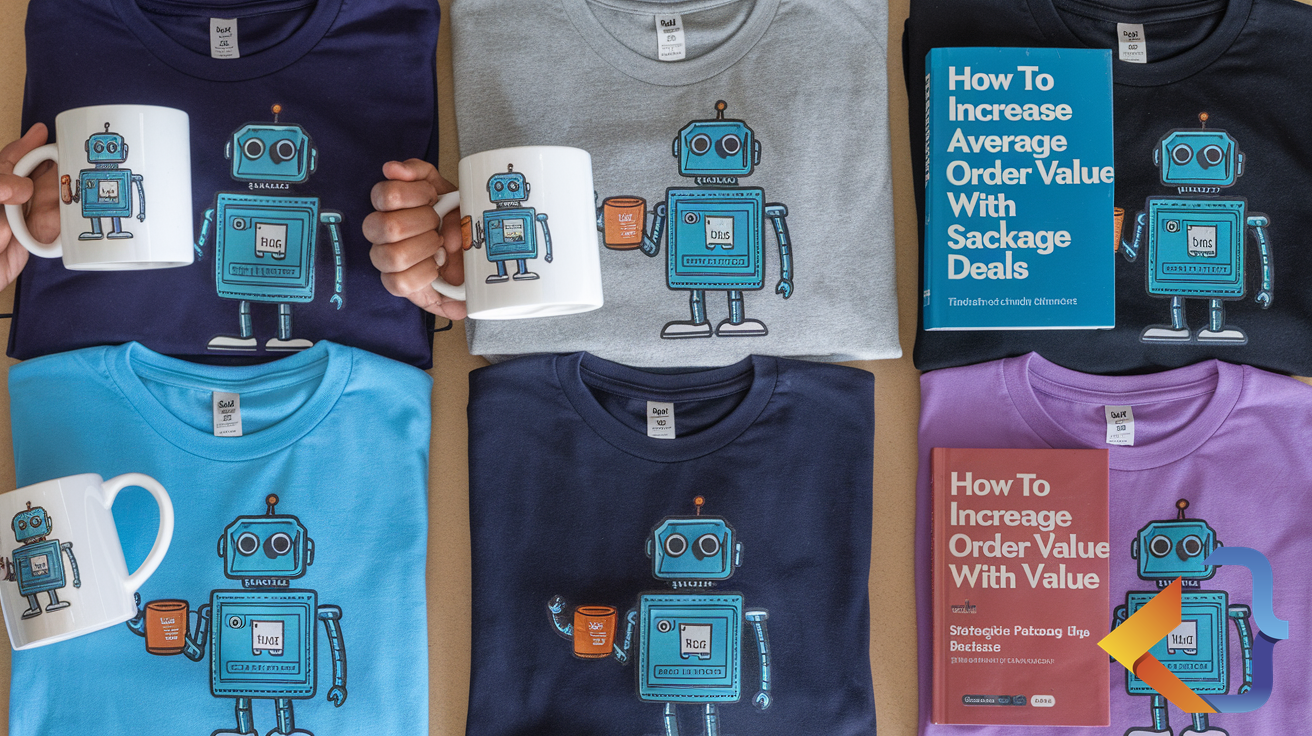
WooCommerce Product Bundling: How to Increase Average Order Value with Strategic Package Deals
Product bundling is one of the most overlooked yet powerful revenue-boosting tactics in ecommerce. When executed correctly within WooCommerce, bundling transforms how customers shop, encouraging them to purchase complementary items together while perceiving exceptional value. This comprehensive guide walks you through everything you need to know about implementing bundling strategies that actually convert.
Why Product Bundling Matters for Your WooCommerce Store
Your customers face an abundance of choices every single day. When they land on your WooCommerce store searching for a specific product, they’re typically focused on solving one particular problem. Bundling presents a sophisticated solution to this narrow purchasing mindset by packaging related items together at a compelling price point.
The mechanics are simple yet effective. Instead of a customer purchasing a single item at $29, bundling encourages them to grab that item plus two complementary products for $49. That’s not a discount—it’s a curated experience that feels like a bargain while significantly improving your bottom line.
Consider these concrete outcomes: stores implementing bundling strategies report average order value increases between 15-35%. For a store processing $10,000 in monthly revenue, that represents $1,500-$3,500 in additional monthly profit with minimal extra marketing expenditure.
The Psychology Behind Effective Bundling
Understanding why bundles work requires examining human purchasing psychology. When items are grouped together, customers subconsciously perceive them as pre-vetted combinations created by experts (you). This reduces decision fatigue—the exhausting mental effort of choosing multiple items separately.
Additionally, bundled pricing creates what psychologists call the “package effect.” A customer evaluates the bundle as a single unit rather than summing individual prices. You could theoretically bundle a $20 item with a $15 item and price the bundle at $32—customers see tremendous value even though the discount is modest.
The social proof element amplifies this further. When bundles are labeled as “bestselling packages” or “top combinations,” customers interpret bundles as products others have already vetted and approved, reducing purchase anxiety.
Types of Bundles to Implement in WooCommerce
Complementary Product Bundles pair items that naturally go together. A coffee maker bundle with beans, filters, and a grinder. A skincare bundle with cleanser, moisturizer, and serum. These bundles feel intuitive to customers because they’re purchasing items they’d likely buy anyway, just packaged together.
Tiered Bundles offer the same core product at different price points with varying quantities or included items. A basic bundle, a popular mid-tier bundle, and a premium everything-included bundle. This approach appeals to different customer segments and budget constraints while naturally directing cost-conscious shoppers toward higher-value options.
Seasonal and Occasion-Based Bundles leverage timely moments. Holiday gift bundles, back-to-school packages, fitness bundles for New Year resolutions, or date-night entertainment packages. These bundles tap into customer intent that’s already present during specific calendar periods.
Cross-Category Bundles introduce customers to new product lines. Bundle a popular item from your bestselling category with a newer, underperforming product category. Customers willing to trust you with their favorite item often extend that trust to bundled additions, creating pathways to discover new product areas.
Setting Up Bundled Products in WooCommerce
WooCommerce requires either a plugin solution or custom development for true bundling functionality since it’s not built into core features. Popular plugins include WPC Product Bundles, Bundled Products, and Iconic Bundled Products Pro.
The setup process typically involves: selecting your bundle’s component products, setting component quantities, establishing bundle pricing (fixed price, discounted from sum, or dynamic), and configuring visibility and purchase options.
For maximum flexibility, enable customers to see bundle savings explicitly. Display “You save $12 on this bundle” prominently. Transparency around savings dramatically increases bundle conversion rates because customers understand exactly why the bundle is worthwhile.
Pricing Bundles for Maximum Conversion and Profit
This is where many store owners stumble. Aggressive discounting on bundles cannibalizes full-price sales. If customers start viewing bundles as the only way to purchase your products at acceptable prices, you’ve created a long-term margin problem.
Strategic bundle pricing follows this principle: offer enough savings to feel meaningful (typically 10-20% off the sum of individual prices) without training customers to exclusively purchase bundles. A customer should still feel satisfied purchasing individual items at full price.
Monitor your metrics closely. Track bundle conversion rates, bundle attach rates on single-product purchases, and customer lifetime value for bundle purchasers versus non-bundle purchasers. This data reveals whether your bundling strategy is genuinely expanding average order value or simply shifting how customers would have purchased anyway.
Promoting Your Bundles Effectively
Creating exceptional bundles means nothing if customers never discover them. Strategic placement is essential. Feature bundles prominently on your homepage, within product category pages, and in the shopping cart as post-purchase recommendations.
Email marketing amplifies bundle visibility. Segment your audience and send targeted bundle recommendations. Customers who purchased Product A recently receive emails featuring bundles that include Product A plus complementary items they haven’t yet purchased.
Consider dynamic bundling—products offered as bundles change based on inventory levels, seasonal factors, or customer browsing history. A customer viewing running shoes could be presented with a “Complete Your Running Setup” bundle featuring socks, moisture-wicking shirts, and shoe care products.
Analyzing Bundle Performance and Optimization
Bundling success requires continuous measurement. Track which bundles generate the highest conversion rates, which offer the best margins, and which bundles correlate with higher customer lifetime value.
Some bundles will underperform. Rather than viewing this as failure, extract insights. Perhaps the bundle price was misaligned, the product combinations didn’t resonate, or placement wasn’t optimal. Test variations—different product combinations, adjusted pricing, modified descriptions—and measure results systematically.
A/B testing bundles against single items or against competing bundle configurations provides clarity on what your specific audience values. Some customer segments prioritize savings percentage; others prioritize convenience and time-saving package curation.
Avoiding Common Bundling Mistakes
Never bundle slow-moving inventory hoping bundles will clear stock. This wastes bundle potential on unsellable products and trains customers that bundles contain clearance items. Bundle popular, desirable products that customers already want—bundling amplifies demand rather than creating it.
Avoid complexity. A bundle containing 15 items feels overwhelming. Stick to 2-4 complementary items maximum. The bundle should feel carefully curated, not like a discount bin assortment.
Don’t neglect bundle descriptions and benefit communication. Each bundle needs copy explaining why these specific items belong together and what customer problem they solve.
Final Thoughts
Product bundling represents a sophisticated revenue optimization lever that fits naturally into WooCommerce operations. When thoughtfully implemented with genuine customer value at the center, bundles increase average order value, improve inventory movement, and deepen customer relationships through curated experiences.
Start with two well-researched bundles targeting your most popular products. Measure results meticulously. Expand your bundling program based on data showing what resonates. This measured, customer-centric approach transforms bundling from a tactical discount mechanism into a strategic revenue growth engine.