Digital Loyalty Cards for Small Businesses UK 2026
Have you ever watched a loyal customer rummage through their wallet, sigh, and admit they have lost their stamp card — again? If you are running an independent shop, café, or beauty salon, you already know this feeling. The good news is that a digital loyalty card for my small business UK solves exactly that problem, and you do not need a degree in computing to set one up. In 2026, going paperless with your rewards scheme is one of the simplest, most effective steps you can take to bring customers back through your door.
Why Paper Stamp Cards Are Holding Your Business Back
Paper stamp cards have been around for decades. They are familiar, cheap to print, and easy to understand. But they come with a long list of frustrations — for you and your customers alike.
Customers lose them. They forget them at home. They accumulate a messy pile in their bag and can never find the right one. Some customers even share cards with friends, meaning you are giving away rewards without earning the repeat visits you were counting on. According to Which?, many UK consumers belong to multiple loyalty schemes but actively use very few — largely because physical cards are inconvenient.
From your side as a business owner, paper cards give you zero data. You have no idea how often customers visit, what they order, or when they are drifting away. You are essentially flying blind. A paperless loyalty scheme UK businesses are increasingly adopting changes all of that. You get real insight into who your regulars are, and your customers get a seamless experience they will actually enjoy.
There is also the environmental angle. Printing thousands of small cards every year adds up — in cost and in waste. A contactless stamp card alternative eliminates that entirely. No printing, no restocking, no disposal. It is a small but genuine step towards running a greener operation, which more and more UK shoppers actively notice and appreciate in 2026.
What Is a Digital Loyalty Card, Exactly?
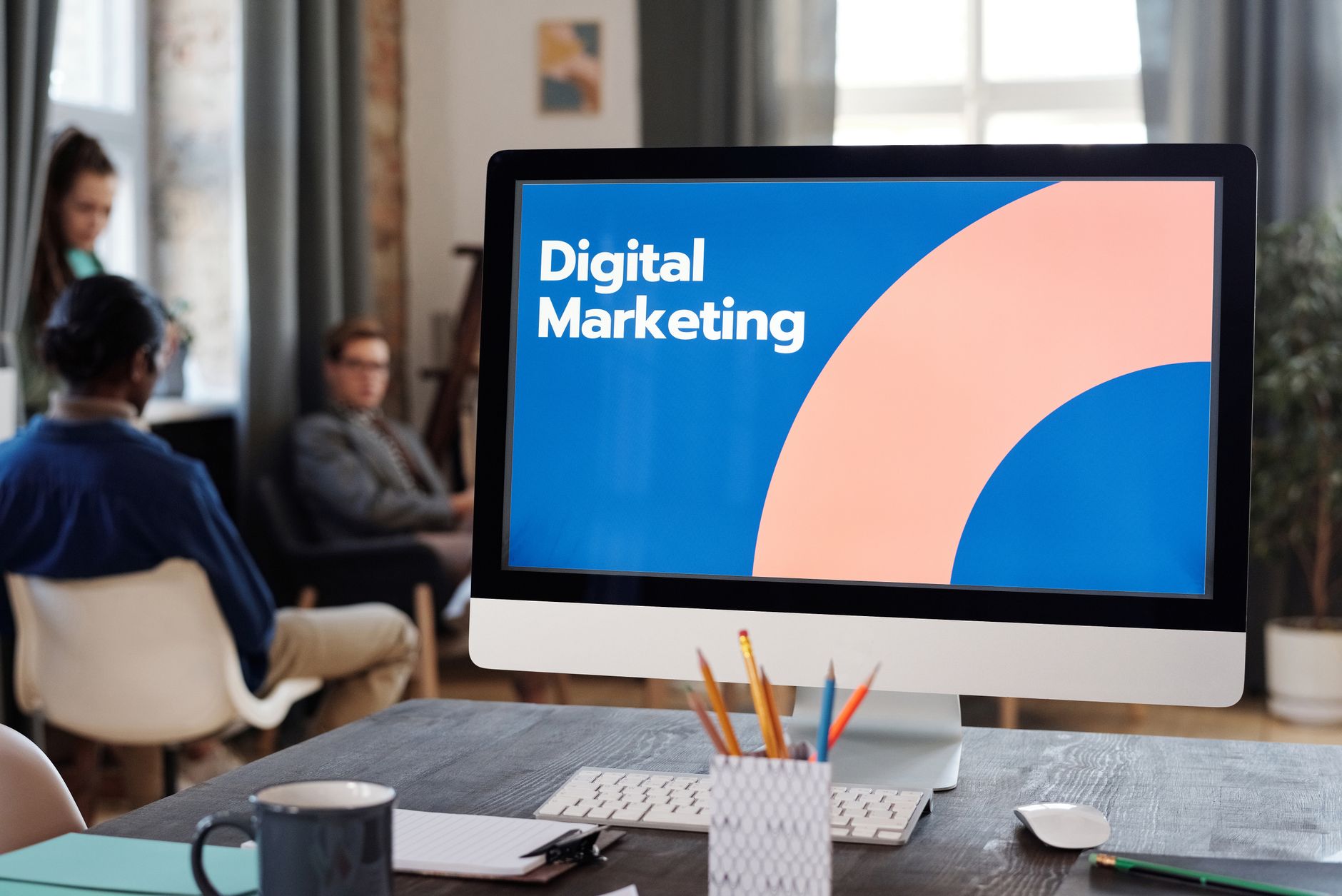
Let us keep this simple. A digital loyalty card works just like a paper stamp card, but it lives on your customer’s phone. Instead of stamping a bit of card, you tap, scan, or share a link — and the stamp is recorded automatically in an app or a web-based system (a programme that runs through a browser, no download required on your end).
The technology behind many of these systems is called NFC — Near Field Communication. That is the same contactless technology your customers already use when they tap their bank card to pay. Products like myvecard, developed by VeCar Digital Programming, use NFC to make the whole process feel effortless. A customer taps their phone against a small card or device, and their loyalty point is recorded instantly. No app to download on their side, no fuss on yours.
You can also explore how NFC works in more detail on Wikipedia’s NFC page — but the short version is this: it is a secure, proven, and genuinely simple technology that millions of people already use every day without thinking about it. The leap from paper stamps to digital is far smaller than most independent business owners expect.
A mobile loyalty card app or web-based system also means your customers always have their loyalty card with them, because their phone is always with them. No more lost cards. No more starting over from scratch. And no more awkward conversations at the till.
5 Real Benefits of a Digital Loyalty Scheme for Independent UK Businesses
Here is where it gets genuinely exciting. Moving to a digital loyalty card for my small business UK is not just about replacing paper — it opens up possibilities that were previously only available to large chains with big budgets. Here are the five benefits that matter most to independent owners.
Customers Never Lose Their Card. Because their loyalty progress is stored digitally — either in an app or on a secure web profile — there is no physical card to misplace. Every visit is recorded automatically, which means your regulars are never frustrated and you never lose a repeat visit to a lost bit of card.
You Get Proper Customer Insight. A good repeat customer rewards programme gives you data you never had before. You can see who visits frequently, who has not been in for a while, and what rewards are most popular. This lets you make genuinely informed decisions — like running a targeted offer to customers who have not visited in four weeks.
No Expensive Hardware Needed. Unlike some older loyalty systems that required a dedicated till terminal or a separate device, many modern digital loyalty solutions — including NFC-based ones like Myvecard — work with what you already have. A small NFC card or tag, your existing phone or tablet, and you are up and running. The UK Government’s business set-up guidance consistently highlights low-cost digital tools as a priority for independent traders, and this is a prime example.
It Looks Professional and Modern. Imagine you run a hair salon in Manchester. When a new client comes in and you hand them a crisp, branded digital card experience instead of a tatty paper stamp card, it immediately signals that your salon is forward-thinking and polished. First impressions matter, and the details add up. A contactless stamp card alternative quietly communicates that you are a serious, modern business.
It Costs Less in the Long Run. Printing paper stamp cards may seem cheap — perhaps £20–£50 per batch — but those costs accumulate every year, plus the time spent reordering and handing them out. A digital solution is typically a flat monthly or annual fee that covers everything, and the return on investment (the money you make back compared to what you spend) is far easier to measure when you can see exactly how many repeat visits your scheme is generating.
How Does a Digital Loyalty Scheme Work in Practice?

Let us walk through a real-world example. Picture a small independent café in Bristol. The owner, Sarah, used to hand out paper stamp cards — buy nine coffees, get the tenth free. Customers kept losing them, and Sarah had no idea whether the scheme was actually bringing people back or just costing her money in free coffees.
Sarah switches to a digital loyalty card for my small business UK using an NFC-based solution. She places a small branded NFC tag (about the size of a credit card) near the till. When a customer buys a coffee, they simply tap their smartphone against the tag. Their stamp is recorded instantly. After nine visits, they get a notification that their free coffee is waiting. No app download needed. No staff training beyond a two-minute explanation. The whole setup takes less than a morning.
Within three months, Sarah notices that her regulars are visiting more frequently — because they can actually see their progress towards a reward. She also spots that Tuesday mornings are particularly quiet, so she creates a double-stamp offer for Tuesdays. Visit numbers on Tuesdays increase noticeably within a fortnight. This kind of nimble, data-led decision-making was simply not possible with paper cards. You can read more about how independent retailers are embracing digital tools in this Guardian piece on independent retailers and technology.
This is the power of an independent retailer loyalty solution — it is not just a stamp card replacement. It is a quiet, low-maintenance engine for bringing people back, understanding your customers, and making your business more resilient. And if you are curious about how NFC ties into broader digital tools for your business, take a look at our guide on NFC business cards for UK professionals.
Is a Digital Loyalty Scheme Right for Your Type of Business?
The short answer is: almost certainly yes, if you rely on repeat custom. Here is a quick look at how different types of independent UK businesses benefit.
Cafés, Bakeries, and Coffee Shops
These are the natural home of the loyalty stamp card. Going digital simply makes the existing model work better — fewer lost cards, more completed rewards, and the ability to run time-sensitive promotions (double stamps before 9am, for example) without any extra printing or staff effort.
Hair Salons and Beauty Therapists
Appointments are booked weeks apart, which means customers genuinely forget where they are with a paper card. A digital scheme keeps their progress visible on their phone, acting as a gentle, ongoing reminder of your brand between visits. A mobile loyalty card app or web-based solution is particularly well-suited to salon environments where the relationship with the client is personal and ongoing.
Independent Retailers and Gift Shops
For shops where customers might visit monthly rather than weekly, visibility is everything. A digital loyalty scheme keeps your brand present on their phone. Push notifications (messages sent directly to a customer’s phone screen) can remind them when they are close to a reward — pulling them back in at exactly the right moment. This is where an independent retailer loyalty solution really earns its keep.
Wellness Studios and Fitness Classes
Class-based businesses benefit enormously from tracking attendance digitally. Reward loyal members, identify who has missed a few sessions, and create targeted re-engagement offers — all without a spreadsheet in sight. The BBC Business pages regularly highlight how small wellness businesses are using affordable digital tools to compete with larger chains, and loyalty technology is consistently near the top of the list.
What to Look for in a Digital Loyalty Solution
Not all digital loyalty tools are created equal. As an independent business owner, here are the things worth checking before you commit.
First, look for something that does not require your customers to download an app. App downloads are a barrier — many people simply will not bother. NFC-based solutions like Myvecard from VeCar Digital Programming work directly through a phone tap or a web link, which removes that friction entirely. Second, check whether the system is easy for your staff to operate. If it takes more than a few minutes to explain to a new team member, it is probably too complicated for a busy independent business.
Third, consider whether the solution gives you access to customer data in a way that complies with UK data protection law (the UK GDPR, which governs how businesses collect and store personal information). You can find straightforward guidance on this from the Information Commissioner’s Office. A reputable provider will have this covered for you, but it is worth asking. Fourth, think about branding. Your loyalty experience should look like you — your colours, your logo, your tone. Generic-looking schemes feel less trustworthy and less memorable to customers.
A well-chosen paperless loyalty scheme UK businesses can genuinely rely on will tick all of these boxes without requiring a large upfront investment or ongoing technical support. You can also explore how digital tools connect to your wider online presence in our article on essential digital tools for UK small businesses.
How Much Does a Digital Loyalty Scheme Cost?
Costs vary depending on the provider and the features you need, but the honest picture for most independent businesses in 2026 looks something like this. Entry-level digital loyalty solutions typically start from around £10–£30 per month. More feature-rich platforms with advanced customer data and messaging tools can range from £30–£80 per month. NFC hardware (the physical tags or cards that customers tap) is usually a one-off cost, often between £15 and £50 for a starter kit.
Compare that to the ongoing cost of printing paper stamp cards, the lost revenue from customers who drifted away because they lost their card, and the missed opportunity of not knowing who your regulars are — and the value case becomes clear very quickly. A repeat customer rewards programme that consistently brings people back even a handful of extra times per month will pay for itself many times over.
For a tailored quote based on your specific business type and size, VeCar Digital Programming can walk you through the options that make sense for you — with no technical jargon and no pressure.
Next Steps: What You Can Do Today
Ready to make the move? Here is one concrete action you can take right now. Visit the Myvecard product page on the VeCar Digital Programming website and have a read through how NFC-based digital loyalty works in plain English. It takes about five minutes and will give you a clear picture of whether it is the right fit for your business.
If you have questions — about cost, setup, how it works with your existing till system, anything — the VeCar team is genuinely approachable and used to talking with business owners who are not tech experts. That is the whole point.
Conclusion
A digital loyalty card for my small business UK is no longer a nice-to-have — in 2026, it is one of the most practical, affordable steps an independent business owner can take to build a loyal customer base and stay competitive. The paper stamp card served its purpose, but the limitations are real. Going digital means fewer lost cards, better customer insight, a more professional experience, and a scheme that actually works.
At VeCar Digital Programming, we help independent UK businesses make these transitions smoothly and confidently — no technical background required. Whether you run a salon, a café, a boutique shop, or a wellness studio, we can help you find the right solution and get it set up without the stress. Get in touch today and let us show you what modern loyalty looks like for your business.
Frequently Asked Questions
How does a digital loyalty card work for a small business in the UK?
A digital loyalty card replaces paper stamp cards with a smartphone-based system. Customers collect points or stamps via an app, QR code, or SMS. Businesses manage rewards through a simple dashboard, tracking visits and redemptions automatically. This eliminates lost cards, reduces admin, and provides valuable customer data to improve retention strategies without requiring significant technical expertise.
What are the typical costs of implementing a digital loyalty card system in the UK?
UK providers typically offer tiered pricing starting from £20–£50 per month for small businesses. Some platforms charge per active customer or transaction. Many offer free trials or basic free tiers. Costs vary based on features like CRM integration, analytics, and branded apps. Compare providers carefully, factoring in setup fees, transaction costs, and contract lengths before committing.
Do my customers need to download an app to use a digital loyalty card?
Not necessarily. Many modern UK digital loyalty platforms work via SMS links, email, or wallet apps like Apple Wallet and Google Pay, requiring no dedicated app download. This significantly reduces friction for customers joining your programme. App-free options typically see higher sign-up rates, making them particularly effective for small businesses with diverse, less tech-savvy customer bases.
How does a digital loyalty programme help increase customer retention for small businesses?
Digital loyalty cards enable automated re-engagement through targeted push notifications, expiry reminders, and personalised offers based on purchase history. Unlike paper cards, businesses can identify lapsing customers and send timely incentives to bring them back. Data insights reveal peak visit times and popular products, allowing smarter promotions that genuinely reward loyal customers and encourage repeat spending.
Is a digital loyalty card system GDPR compliant for UK small businesses?
Reputable UK digital loyalty providers build GDPR compliance into their platforms, handling consent collection, data storage, and deletion requests appropriately. However, as a business owner, you remain the data controller and must ensure your privacy policy reflects how customer data is used. Always verify your chosen provider holds UK GDPR accreditation and processes data on UK or EU-based servers.